
Japanese Katsu Bowls with Tonkatsu Sauce: The Only Recipe You’ll Ever Need
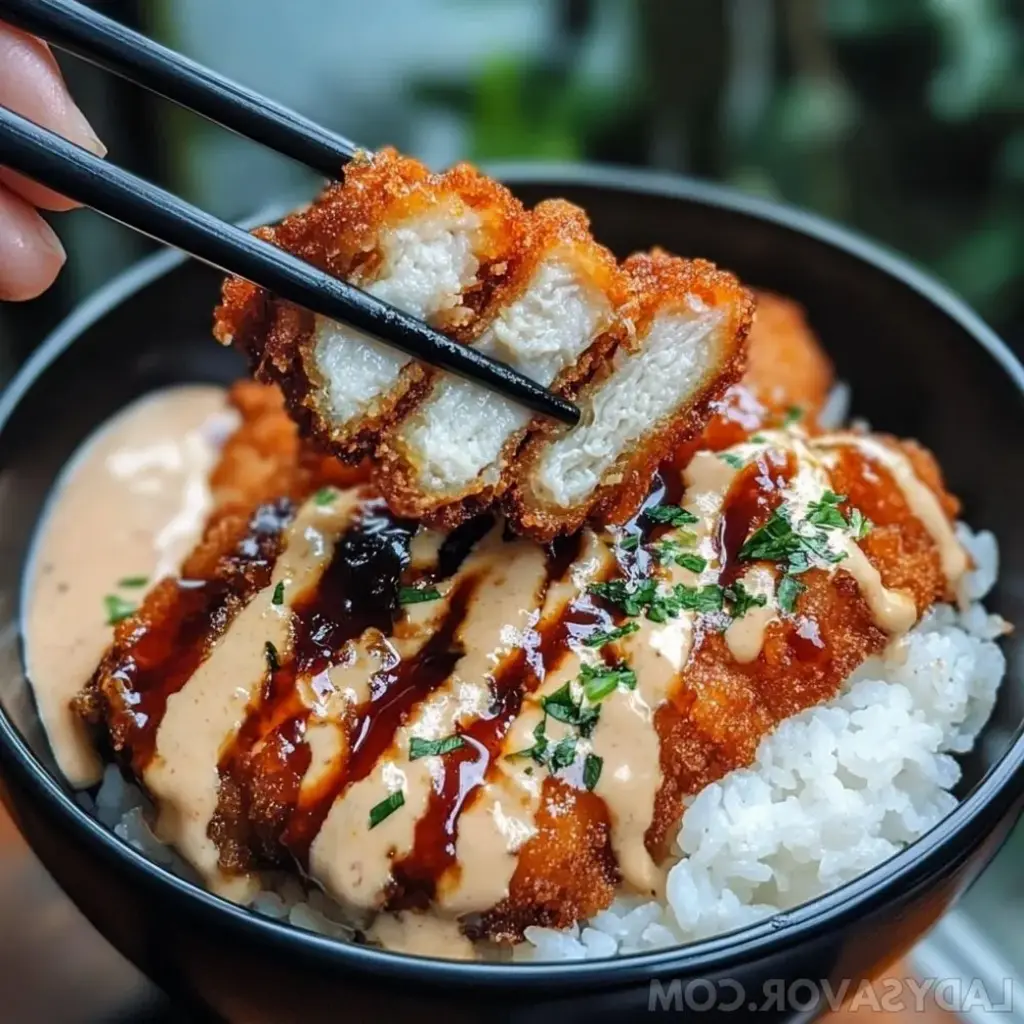
If you’re craving an authentic Japanese katsu bowls with tonkatsu sauce experience right in your own kitchen, this recipe is your ultimate solution. Imagine biting into a perfectly crispy, golden-brown pork cutlet that’s tender inside, all drizzled with that sweet and tangy homemade tonkatsu sauce that elevates every bite. As a popular Japanese comfort dish, these katsu bowls bring the flavors of Tokyo street food to your table, making it easy for home cooks to master this classic without any fuss. With our step-by-step guidance from Chef Lalyta, you’ll achieve that restaurant-quality crispiness every time, turning a simple weeknight dinner into a memorable meal. This Japanese katsu bowls with tonkatsu sauce recipe stands out for its straightforward preparation and fresh ingredients, ensuring success even for beginners.
The sensory appeal of Japanese katsu bowls with tonkatsu sauce is truly irresistible. Picture the satisfying crunch of panko-breaded pork as it gives way to juicy, flavorful meat, paired with the vibrant freshness of shredded cabbage and julienned carrots. The aroma of frying pork fills the air, mingling with the rich, umami notes of homemade tonkatsu sauce—a blend of savory soy, sweet mirin, and a hint of spice that tantalizes your taste buds. Each bowl delivers a harmonious mix of textures: the crispiness contrasts beautifully with fluffy rice, creating a symphony of flavors that transport you to Japan with every forkful. It’s not just food; it’s a comforting, flavorful escape that satisfies both body and soul.
What makes this Japanese katsu bowls with tonkatsu sauce recipe from lalytarecipes.com the single best resource online is our commitment to authenticity, simplicity, and expert tips straight from Chef Lalyta. We’ve tested this recipe multiple times to ensure it’s foolproof, incorporating a chef’s secret that takes the crispy coating to new heights. You’ll learn how to make your own tonkatsu sauce from scratch, avoid common pitfalls, and even customize it for dietary needs. Dive into our comprehensive guide for detailed instructions, ingredient spotlights, and FAQs that build your confidence in the kitchen, making you feel like a pro after just one try.
Why This Japanese Katsu Bowls with Tonkatsu Sauce Recipe is a Game-Changer
The Chef’s Secret: Our unique angle lies in the “Authentically Crispy with Homemade Sauce” technique, where we emphasize double-coating the pork in panko breadcrumbs for an extra layer of crunch that rivals authentic Japanese eateries. This method ensures the pork stays tender inside while achieving that irresistible golden exterior, all without overcomplicating the process. By making your own tonkatsu sauce from simple pantry staples, you add a fresh, personalized twist that store-bought versions can’t match, infusing the dish with vibrant flavors.
Unbeatable Texture: The science behind the texture comes from the panko breadcrumbs’ airy structure, which absorbs less oil during frying, resulting in a lighter, crispier coating. When combined with the beaten eggs and flour dredge, it creates a barrier that locks in moisture, preventing the pork from drying out and ensuring a perfect contrast of textures in your Japanese katsu bowls with tonkatsu sauce.
Foolproof for a Reason: This recipe has been rigorously tested in our kitchen to guarantee consistent results, making it ideal for beginners and seasoned cooks alike. With clear instructions and tips, you’ll avoid common errors and achieve success every time, solidifying this as the go-to Japanese katsu recipe for home cooks seeking reliability and ease.
Ingredient Spotlight: Quality Makes the Difference
Boneless pork chops are the star of Japanese katsu bowls with tonkatsu sauce, providing a lean yet juicy base that absorbs flavors beautifully. Opt for fresh, high-quality cuts from your local butcher to ensure tenderness; lower-quality meat can become tough. Their role is to deliver protein and a satisfying bite, and for substitutions, try chicken breasts for a lighter option or extra-firm tofu for vegetarians to maintain that breaded texture.
All-purpose flour acts as the initial dredge, helping the egg and breadcrumbs adhere to the pork for that iconic crispy coating. Using unbleached flour ensures better flavor and structure, as it doesn’t contain harsh chemicals. This ingredient binds everything together, and a great substitution is gluten-free flour blend if you’re avoiding gluten, though it might slightly alter the crispiness in your Japanese katsu recipe.
Eggs serve as the sticky binder that secures the panko breadcrumbs, creating a golden seal around the pork. Fresh, large eggs work best for optimal viscosity, enhancing the overall texture. They contribute richness and help achieve that airy crunch; substitute with flax eggs for a vegan version, but note it may result in a less traditional binding in Japanese katsu bowls with tonkatsu sauce.
Panko breadcrumbs are essential for the extra-crisp exterior that defines Japanese katsu bowls with tonkatsu sauce. Choose Japanese-style panko for its larger flakes, which provide more surface area for crunch without sogginess. They add lightness and texture, and if unavailable, regular breadcrumbs can substitute, though they won’t deliver the same authentic lightness in this popular Japanese comfort dish.
Tonkatsu sauce brings the tangy, sweet umami that ties the bowl together, made from a mix of Worcestershire, soy sauce, and sugar for a homemade twist. Fresh ingredients ensure a vibrant flavor profile; it’s the flavor enhancer here. For those with allergies, try a tamari-based version for gluten-free needs, making it adaptable to various Japanese katsu recipe variations.
Cooked rice forms the comforting base of the bowls, soaking up the sauces and providing a neutral canvas. Use short-grain Japanese rice for authenticity and better stickiness, as it complements the other elements. Instant rice can substitute in a pinch, but freshly cooked rice elevates the overall experience of Japanese katsu bowls with tonkatsu sauce.
Shredded cabbage adds a fresh, crunchy contrast to the rich pork and sauce. Fresh, organic cabbage retains its crispness and provides vitamins; it’s all about texture and balance. Substitute with thinly sliced lettuce if cabbage isn’t available, ensuring your Japanese katsu recipe remains vibrant and refreshing.
Julienned carrot contributes color, crunch, and a touch of sweetness to the bowls. Fresh carrots ensure maximum nutrients and snap; they enhance visual appeal and flavor. Swap with bell peppers for a different twist, keeping the fresh vegetable element intact in Japanese katsu bowls with tonkatsu sauce.
Step-by-Step Instructions
Step 1: Preparing the Pork Chops
Start by pounding the 4 boneless pork chops to about 1/2 inch thickness using a meat mallet, which tenderizes the meat and ensures even cooking. Season both sides generously with salt and pepper to enhance the natural flavors. This step is crucial for achieving a uniform cutlet that cooks quickly without drying out.
Pro Tip: Use a resealable plastic bag or parchment paper when pounding to prevent splatters and keep your kitchen clean, ensuring the pork remains intact for the best Japanese katsu recipe results.
Step 2: Coating the Pork
Dredge each seasoned pork chop in 1 cup of all-purpose flour, shaking off any excess. Next, dip them into the 2 beaten eggs, allowing the excess to drip off, then coat thoroughly with 2 cups of panko breadcrumbs, pressing gently to adhere. This creates the signature crispy layer that makes Japanese katsu bowls with tonkatsu sauce so irresistible.
Common Mistake to Avoid: Don’t skip the flour and egg steps, as this can lead to breadcrumbs falling off during frying; always ensure a complete coating for that perfect crunch.
Step 3: Frying the Pork
Heat vegetable oil in a frying pan over medium heat until it reaches about 350°F (use a thermometer for accuracy). Fry the coated pork chops for 4-5 minutes per side until they’re golden brown and fully cooked through, with an internal temperature of 145°F. This step locks in the juices and creates the crispy exterior.
Pro Tip: Fry in batches to avoid overcrowding the pan, which helps maintain the oil temperature and prevents the coating from becoming greasy in your Japanese katsu recipe.
Step 4: Draining and Slicing
Remove the fried pork chops from the oil and place them on paper towels to drain excess oil, allowing them to crisp up further. Once cooled slightly, slice into 1/2-inch strips for easy eating and presentation in the bowls.
Common Mistake to Avoid: Let the pork rest for a minute before slicing to keep the juices inside; cutting too soon can make it dry and less flavorful in Japanese katsu bowls with tonkatsu sauce.
Step 5: Assembling the Bowls
In each serving bowl, start with a base of 1/2 cup cooked rice, then layer on 1/4 cup shredded cabbage and a handful of julienned carrot for freshness. Top with the sliced pork strips and drizzle with 2 tablespoons of tonkatsu sauce per bowl for that perfect flavor balance.
Pro Tip: Arrange the ingredients artfully for an appealing presentation, as visual appeal enhances the enjoyment of this Japanese katsu recipe.
Step 6: Serving
Serve the bowls immediately while the pork is still hot and crispy, allowing the flavors to meld together in each bite.
Common Mistake to Avoid: Don’t let the assembled bowls sit too long, as the steam from the rice can soften the crispy pork; serve right away for the best texture in Japanese katsu bowls with tonkatsu sauce.
Serving & Presentation
For an impressive presentation of your Japanese katsu bowls with tonkatsu sauce, focus on layering: start with a neat mound of rice, add colorful vegetables for contrast, and crown with neatly sliced pork drizzled with sauce. Garnish with a sprinkle of sesame seeds or sliced green onions for added visual pop and flavor. Complement this main course with simple sides like miso soup or pickled cucumbers to enhance the Japanese katsu recipe’s authenticity, creating a balanced meal that’s both nutritious and satisfying.
Make-Ahead & Storage Solutions
Make-Ahead Strategy: Prepare the pork coating and vegetables up to 3 days in advance by pounding and seasoning the pork, shredding the cabbage, and julienning the carrots, then store them in airtight containers in the fridge. Cook the rice fresh or reheat pre-cooked portions just before assembling your Japanese katsu bowls with tonkatsu sauce to maintain quality.
Storing Leftovers: Refrigerate any leftovers in an airtight container for up to 2 days; keep the components separate to preserve texture. For freezing, wrap the cooked pork tightly and freeze for up to a month, thawing in the fridge before reheating.
The Best Way to Reheat: Use an oven at 350°F for 10 minutes to restore crispiness, avoiding microwaves which can make the coating soggy. This ensures your Japanese katsu recipe retains its signature texture and flavor.
Frequently Asked Questions (FAQ)
How do you make homemade tonkatsu sauce for Japanese katsu bowls?
To make homemade tonkatsu sauce, combine 1/4 cup Worcestershire sauce, 1/4 cup ketchup, 2 tablespoons soy sauce, 1 tablespoon mirin, 1 tablespoon sugar, and a dash of ground ginger in a small saucepan. Simmer over low heat for 5 minutes, stirring until thickened. This easy recipe adds authenticity to your Japanese katsu bowls with tonkatsu sauce, allowing you to adjust sweetness or tanginess to your preference.
Can I substitute chicken for pork in Japanese katsu bowls?
Yes, you can substitute chicken for pork in Japanese katsu bowls for a lighter variation. Use boneless chicken breasts or thighs, pounded to even thickness, and follow the same breading and frying process. The cooking time might be slightly less, around 3-4 minutes per side, ensuring it’s fully cooked. This swap maintains the crispy texture of the Japanese katsu recipe while offering a different flavor profile.
What is the total preparation and cooking time for Japanese katsu bowls?
The total preparation and cooking time for Japanese katsu bowls with tonkatsu sauce is about 35 minutes, with 15 minutes for prep and 20 minutes for cooking. This makes it an ideal weeknight meal, allowing you to enjoy authentic Japanese flavors without spending hours in the kitchen.
What are the best sides and serving suggestions for Japanese katsu bowls with tonkatsu sauce?
The best sides for Japanese katsu bowls include miso soup, steamed broccoli, or a simple seaweed salad to complement the rich flavors. Serve with a side of pickled ginger or radish for added zest, and pair with green tea for a traditional touch. For serving suggestions, customize bowls with extra vegetables or adjust the sauce for spice, making your Japanese katsu recipe versatile for any occasion.
Is Japanese katsu bowls with tonkatsu sauce suitable for meal prep?
Absolutely, Japanese katsu bowls with tonkatsu sauce are great for meal prep. Prepare the components ahead, store them separately, and assemble when ready to eat. This keeps the pork crispy and the vegetables fresh, making it a convenient option for busy schedules.
What variations can I try for a healthier version of this recipe?
For a healthier version, bake the breaded pork at 400°F for 15-20 minutes instead of frying to reduce oil, or use leaner proteins like turkey. Incorporate more vegetables and opt for brown rice to boost nutrients, while keeping the essence of Japanese katsu bowls with tonkatsu sauce intact.
Can I make this recipe vegan or gluten-free?
Yes, you can adapt this recipe for vegan or gluten-free diets. For vegan, substitute pork with firm tofu or eggplant, use flax eggs instead of regular eggs, and ensure panko is gluten-free or use crushed rice crackers. For gluten-free, swap all-purpose flour with a gluten-free alternative and use tamari in the tonkatsu sauce; these changes will keep your Japanese katsu recipe delicious and accessible.
Tried This Recipe? Leave a Comment!
Did you make this recipe? I’d love to hear how it turned out! Please leave a comment and a rating below. Your feedback helps other home cooks and supports lalytarecipes!
For more delicious inspiration, follow me on Pinterest!
Japanese Katsu Bowls with Tonkatsu Sauce
- Total Time: 35 minutes
- Yield: 4 1x
Description
Crispy breaded pork cutlets served over rice with vegetables and homemade tonkatsu sauce, a popular Japanese comfort dish.
Ingredients
- 4 boneless pork chops
- 1 cup all-purpose flour
- 2 eggs, beaten
- 2 cups panko breadcrumbs
- 1/2 cup tonkatsu sauce
- 2 cups cooked rice
- 1 cup shredded cabbage
- 1 carrot, julienned
- Vegetable oil for frying
- Salt and pepper to taste
Instructions
- Pound the pork chops to 1/2 inch thickness and season with salt and pepper.
- Dredge each pork chop in flour, then dip in beaten eggs, and coat with panko breadcrumbs.
- Heat vegetable oil in a frying pan over medium heat and fry the pork chops until golden brown and cooked through, about 4-5 minutes per side.
- Remove from oil and drain on paper towels, then slice into strips.
- Assemble bowls by placing cooked rice at the bottom, add shredded cabbage and julienned carrot, top with sliced pork, and drizzle with tonkatsu sauce.
- Serve immediately.
Notes
For a vegetarian version, substitute pork with tofu or eggplant. Ensure oil is hot to avoid sogginess.
- Prep Time: 15 minutes
- Cook Time: 20 minutes
- Method: Main Course
- Cuisine: Japanese
Nutrition
- Calories: 650
- Sugar: 5g
- Fat: 35g
- Carbohydrates: 45g
- Protein: 40g
Conclusion
Japanese Katsu Bowls with Tonkatsu Sauce bring together the irresistible crunch of breaded meat and the sweet-savory depth of the sauce, creating a comforting and flavorful meal that’s easy to enjoy any day of the week. This dish highlights the classic Japanese balance of textures and tastes, making it a go-to option for a satisfying dinner. For a fun variation, try swapping pork for chicken or adding fresh vegetables like shredded cabbage to lighten it up and enhance the overall experience.