
Table of Contents
Baked Thai Coconut Shrimp with Lemongrass Guacamole: The Only Recipe You’ll Ever Need
Imagine transforming a simple weeknight dinner into an exotic Thai adventure without the guilt of deep-frying—enter the Baked Thai Coconut Shrimp with Lemongrass Guacamole recipe. This dish combines succulent shrimp baked to crispy perfection with a vibrant lemongrass infusion that elevates every bite, making it the ultimate healthy twist on traditional Thai flavors. As a go-to for home cooks seeking flavorful, easy meals, this Baked Thai Coconut Shrimp with Lemongrass Guacamole stands out for its unique angle: a lighter, oven-baked method that delivers that irresistible crunch while keeping things wholesome and delicious. Drawing from Chef Lalyta’s expertise, you’ll master this recipe in under 35 minutes, perfect for impressing guests or satisfying your curry cravings.
The moment you pull these shrimp from the oven, the aroma of toasted coconut and spicy Thai red curry fills the air, mingling with the fresh, zesty notes of lemongrass guacamole. Each bite offers a symphony of textures: the shrimp’s tender, juicy interior contrasts with a golden, crispy exterior from the shredded coconut coating, while the guacamole provides a creamy, cooling balance. Flavors explode on your palate—rich coconut milk infuses a subtle sweetness, balanced by the heat of curry paste and ginger, and the lemongrass adds a bright, citrusy punch that cuts through the richness, making every forkful an adventure.
What sets this Baked Thai Coconut Shrimp with Lemongrass Guacamole recipe apart on lalytarecipes.com is Chef Lalyta’s proven techniques, honed through years of testing and refining. This isn’t just another recipe; it’s a comprehensive guide that includes the Chef’s Secret for achieving that perfect bake without overcooking. You’ll learn insider tips, common pitfalls to avoid, and creative ways to customize it, ensuring your kitchen successes are consistent and confident. Dive in to discover how this dish becomes your new favorite, packed with nutrition and flavor that rivals any restaurant.
Why This Baked Thai Coconut Shrimp with Lemongrass Guacamole Recipe is a Game-Changer
The Chef’s Secret: The unique selling proposition of this recipe lies in its innovative baking technique that achieves an ultra-crispy coating using shredded coconut, eliminating the need for frying while locking in moisture for tender shrimp. By marinating the shrimp in a blend of coconut milk and Thai red curry paste, we infuse deep, authentic flavors that penetrate every layer, creating a dish that’s both healthier and more flavorful than traditional versions. This method ensures the shrimp remain succulent inside while developing a delightful crunch on the outside, all thanks to the even heat distribution in a preheated oven.
Unbeatable Texture: The science behind the texture is all about the coconut’s natural oils and fibers. When baked at 400°F, the shredded coconut toasts without burning, forming a protective barrier that seals in the shrimp’s juices. This results in a contrast of crispiness from the exterior and tenderness within, as the marinade’s proteins denature perfectly without drying out. It’s a foolproof way to get that restaurant-quality finish at home.
Foolproof for a Reason: This recipe has been rigorously tested multiple times in our kitchen to guarantee success, even for beginners. Every step is designed for reliability, from the precise marinating time to the baking duration, ensuring consistent results that make you feel like a pro chef every time.
Ingredient Spotlight: Quality Makes the Difference
For the large shrimp: Fresh, high-quality shrimp are the star of this Baked Thai Coconut Shrimp with Lemongrass Guacamole recipe, providing a sweet and tender base that absorbs the Thai-inspired marinade. Opt for wild-caught shrimp for the best flavor and sustainability; they ensure a plump texture that doesn’t turn rubbery when baked. If you’re concerned about allergies, substitute with scallops for a similar oceanic taste and firm bite, though they may cook slightly faster.
For the coconut milk: This ingredient adds a creamy, rich base to the marinade, infusing the shrimp with tropical essence and helping create that signature Thai coconut flavor. Choose full-fat, unsweetened coconut milk from a reputable brand to avoid additives that could dilute the taste; it contributes to the dish’s moisture and helps the curry paste adhere. A great substitution is almond milk mixed with coconut cream for a lighter version, maintaining creaminess while reducing calories.
For the Thai red curry paste: This fiery blend brings authentic heat and complexity, with spices like lemongrass, galangal, and chili that elevate the Baked Thai Coconut Shrimp with Lemongrass Guacamole to new heights. Using a high-quality, authentic paste ensures vibrant flavors without overwhelming the dish—start with less if you’re sensitive to spice. If unavailable, mix red chili flakes, garlic, and ginger as a substitute, but adjust quantities to mimic the depth.
For the shredded coconut: It provides the crispy, toasted exterior that defines this recipe’s unique angle, adding a nutty sweetness that complements the shrimp’s savoriness. Unsweetened, finely shredded coconut works best for even coating; quality matters as fresher options brown more evenly. For a nut-free alternative, use panko breadcrumbs seasoned with coconut extract to preserve the crunch without altering the Thai coconut profile.
For the avocados in the guacamole: Ripe avocados form the creamy foundation of the lemongrass guacamole, offering a smooth contrast to the spicy shrimp. Select Hass avocados for their rich, buttery texture; they mash easily and hold up well. If avocados are out of season, try using Greek yogurt for a tangy swap, blending it with a bit of olive oil to maintain creaminess.
For the lemongrass: This aromatic herb infuses the guacamole with a fresh, citrusy twist, perfectly tying into the Thai theme of the Baked Thai Coconut Shrimp with Lemongrass Guacamole. Fresh lemongrass is key for its potent flavor—remove the tough outer layers and finely chop for best results. If fresh isn’t available, substitute with lemon zest and a drop of ginger for a similar zing without losing the essence.
Step-by-Step Instructions
Step 1: Preheat the Oven and Prepare the Baking Sheet
Start by preheating your oven to 400°F (200°C) and lining a baking sheet with parchment paper to prevent sticking and ensure even cooking. This step is crucial for achieving that perfect crispy texture without added oil.
Pro Tip: Use high-quality parchment paper to avoid any grease seepage, which can affect the coconut’s toasting and lead to uneven browning.
Step 2: Whisk Together the Marinade
In a large bowl, whisk together 1 cup of coconut milk, 2 tablespoons of Thai red curry paste, 1 tablespoon of fish sauce, 2 minced garlic cloves, and 1 tablespoon of grated fresh ginger until fully combined. This creates a flavorful base that infuses the shrimp.
Common Mistake to Avoid: Don’t over-whisk or use cold ingredients; room-temperature components blend smoother, preventing lumps that could unevenly coat the shrimp.
Step 3: Marinate the Shrimp
Add 1 pound of peeled and deveined large shrimp to the bowl and toss them evenly in the marinade. Let them sit for 15 minutes to absorb the flavors, enhancing the Thai coconut essence.
Pro Tip: Marinate in the refrigerator if your kitchen is warm to prevent bacterial growth, and stir halfway through for maximum flavor penetration.
Step 4: Coat the Shrimp
Spread 1/2 cup of shredded coconut on a plate and dip each marinated shrimp into it, pressing gently to ensure an even coating. This step locks in moisture and creates the crispy exterior.
Common Mistake to Avoid: Avoid over-coating; too much coconut can make the shrimp overly dry, so shake off excess before baking.
Step 5: Arrange and Bake the Shrimp
Place the coated shrimp on the prepared baking sheet, spacing them out for proper air circulation. Bake for 10-12 minutes, or until the shrimp turn pink and are cooked through, flipping halfway for even crispiness.
Pro Tip: Use an oven thermometer to verify the temperature—consistent heat is key to the unique baked Thai coconut shrimp’s texture.
Step 6: Prepare the Lemongrass Guacamole
While the shrimp bakes, mash 2 ripe avocados in a bowl and mix in 1 finely chopped lemongrass stalk, juice from 1 lime, 1/4 cup diced red onion, 1 minced jalapeno, and salt and pepper to taste. Stir until well combined for a refreshing side.
Common Mistake to Avoid: Don’t mash the avocados too early; prepare just before serving to prevent browning from oxidation.
Step 7: Serve the Dish
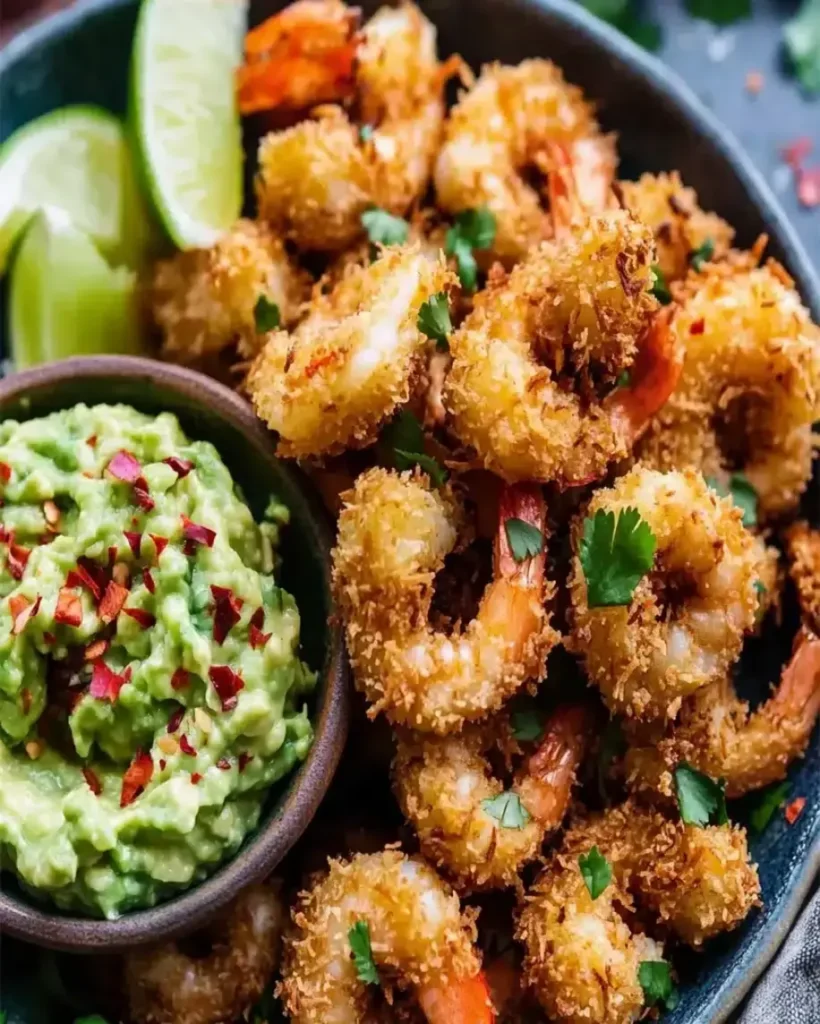
Once baked, remove the shrimp from the oven and let them rest for a minute. Serve hot alongside the lemongrass guacamole for a complete Baked Thai Coconut Shrimp with Lemongrass Guacamole experience.
Pro Tip: Pair with a squeeze of fresh lime for an extra burst of flavor that complements the lemongrass notes.
Serving & Presentation
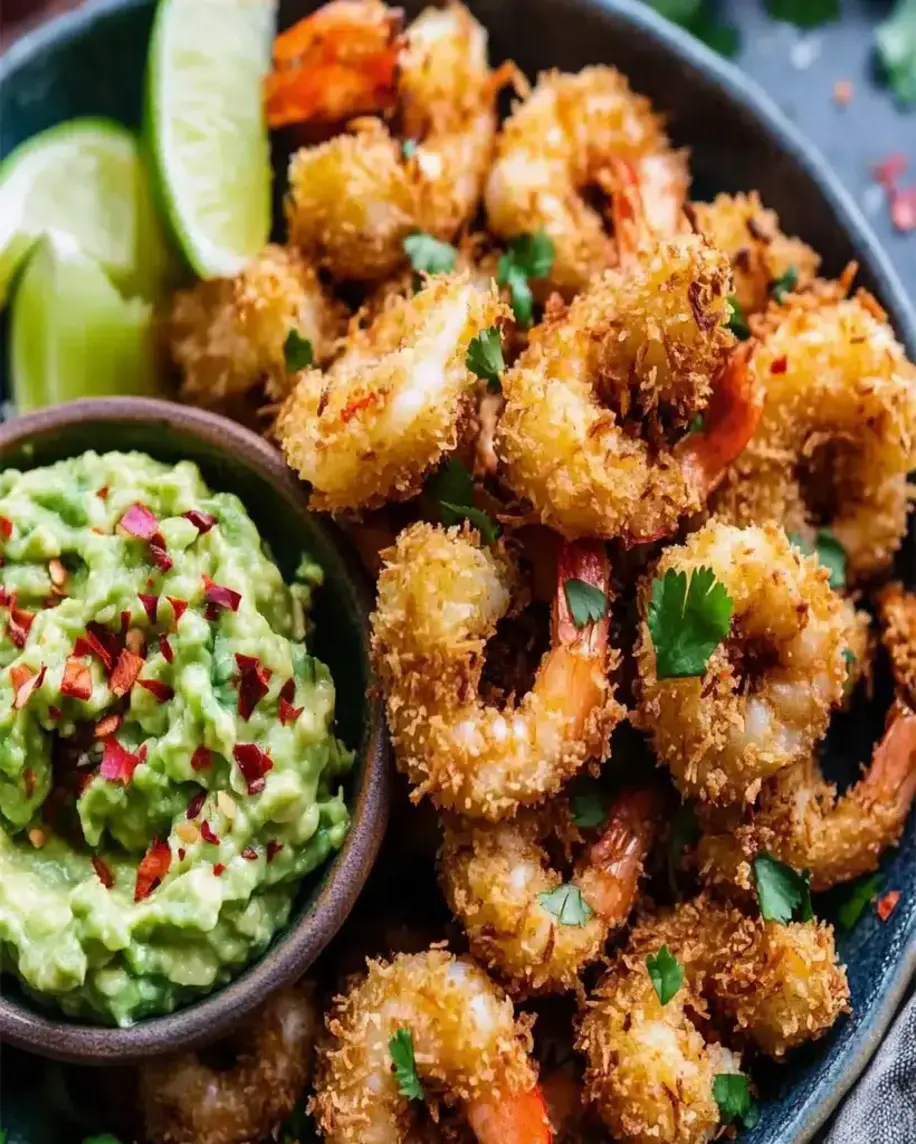
Elevate your Baked Thai Coconut Shrimp with Lemongrass Guacamole by plating it on a vibrant platter for visual appeal—arrange the shrimp in a circular pattern and place a generous dollop of guacamole in the center. Garnish with fresh cilantro, thinly sliced red chili, or a sprinkle of toasted sesame seeds for added color and crunch. This not only makes the dish Instagram-worthy but also enhances the flavors, with the herbs echoing the Thai coconut shrimp’s aromatic profile.
For complementary sides, consider steamed jasmine rice to soak up the curry juices or a simple cucumber salad for a refreshing contrast. Fresh vegetables like stir-fried bok choy or grilled asparagus pair perfectly, balancing the richness of the shrimp while keeping the meal light and nutritious, aligning with the recipe’s healthier baked angle.
Make-Ahead & Storage Solutions
Make-Ahead Strategy: Prepare the marinade and guacamole components up to 3 days in advance. Mix the coconut milk marinade and store it in an airtight container in the fridge; chop and mix the guacamole ingredients (except avocados) and keep them separate to maintain freshness—just mash and combine the avocados right before serving to avoid browning.
Storing Leftovers: Store any leftover Baked Thai Coconut Shrimp with Lemongrass Guacamole in an airtight container in the refrigerator for up to 2 days. For the guacamole, press plastic wrap directly onto the surface to limit air exposure. Freeze the cooked shrimp for up to a month by placing them on a baking sheet to flash-freeze first, then transferring to a freezer bag.
The Best Way to Reheat: To restore the original crispy texture, reheat the shrimp in a 350°F oven for 5-7 minutes rather than microwaving, which can make them soggy. For guacamole, let it come to room temperature and stir gently to revive its creaminess, ensuring your Thai coconut shrimp meal tastes freshly made.
Frequently Asked Questions (FAQ)
How do you make lemongrass guacamole for Thai coconut shrimp?
To make lemongrass guacamole for your Baked Thai Coconut Shrimp with Lemongrass Guacamole, start by mashing 2 ripe avocados in a bowl. Finely chop 1 stalk of lemongrass (remove the tough outer layers first) and mix it in along with the juice of 1 lime, 1/4 cup diced red onion, 1 minced jalapeno, and salt and pepper to taste. Stir well for a fresh, zesty complement that balances the shrimp’s spiciness—it’s simple, quick, and adds that unique lemongrass twist.
What can I substitute for shrimp in baked Thai coconut shrimp?
If you’re substituting for shrimp in this Baked Thai Coconut Shrimp with Lemongrass Guacamole recipe, try firm tofu, chicken breast, or even scallops for a similar texture and flavor profile. Tofu works great for a vegetarian option—press it to remove excess water, then marinate and coat as directed. Chicken should be cut into bite-sized pieces and baked for an extra 5 minutes to ensure it’s fully cooked, maintaining the Thai coconut essence without compromising the dish.
How long does it take to bake Thai coconut shrimp?
Baking Thai coconut shrimp in this recipe takes about 10-12 minutes at 400°F, depending on the size of your shrimp. Always check for doneness by ensuring the shrimp turn pink and opaque—overbaking can make them tough, so use a timer and flip halfway for even results in your Baked Thai Coconut Shrimp with Lemongrass Guacamole.
What are some good side dishes to serve with baked Thai coconut shrimp?
Great side dishes for Baked Thai Coconut Shrimp with Lemongrass Guacamole include steamed jasmine rice to absorb the flavorful sauces, a fresh cucumber and carrot salad for crunch, or stir-fried greens like bok choy for a nutritious balance. These options enhance the Thai coconut shrimp’s vibrant flavors while keeping the meal light and well-rounded.
Can I adjust the spice level in this recipe?
Absolutely, you can easily adjust the spice level in Baked Thai Coconut Shrimp with Lemongrass Guacamole. Start by reducing the Thai red curry paste or jalapeno if you prefer milder flavors, or amp it up with extra chili for more heat. Always taste the marinade before adding the shrimp to fine-tune, ensuring it suits your palate without overwhelming the lemongrass guacamole.
Is this recipe suitable for meal prep?
Yes, this recipe is ideal for meal prep! The shrimp can be marinated and baked ahead, then stored as outlined, making it perfect for busy weeks. The guacamole should be prepped fresh, but overall, it’s a convenient way to enjoy Baked Thai Coconut Shrimp with Lemongrass Guacamole throughout the week.
Can I make this recipe vegan or gluten-free?
To make this recipe vegan, substitute the shrimp with firm tofu or mushrooms and replace fish sauce with soy sauce or a vegan alternative. For gluten-free, ensure all ingredients like the Thai red curry paste are certified gluten-free, as some brands may contain hidden gluten. These swaps keep the Baked Thai Coconut Shrimp with Lemongrass Guacamole flavorful and inclusive.
Tried This Recipe? Leave a Comment!
Did you make this recipe? I’d love to hear how it turned out! Please leave a comment and a rating below. Your feedback helps other home cooks and supports lalytarecipes!
For more delicious inspiration, follow me on Pinterest!

Baked Thai Coconut Shrimp with Lemongrass Guacamole
- Total Time: 35 minutes
- Yield: 4 1x
Description
A flavorful baked shrimp dish infused with Thai coconut flavors, served with a refreshing lemongrass guacamole.
Ingredients
- For the Shrimp:
- 1 pound large shrimp, peeled and deveined
- 1 cup coconut milk
- 2 tablespoons Thai red curry paste
- 1 tablespoon fish sauce
- 2 cloves garlic, minced
- 1 tablespoon fresh ginger, grated
- 1/2 cup shredded coconut
- For the Guacamole:
- 2 ripe avocados
- 1 stalk lemongrass, finely chopped
- 1 lime, juiced
- 1/4 cup red onion, diced
- 1 jalapeno, seeded and minced
- Salt and pepper to taste
Instructions
- Preheat your oven to 400°F (200°C) and line a baking sheet with parchment paper.
- In a large bowl, whisk together coconut milk, Thai red curry paste, fish sauce, garlic, and ginger.
- Add the shrimp to the bowl and toss to coat evenly. Let it marinate for 15 minutes.
- Spread the shredded coconut on a plate. Dip each shrimp into the coconut to coat.
- Place the coated shrimp on the prepared baking sheet and bake for 10-12 minutes, or until shrimp are pink and cooked through.
- While the shrimp bakes, prepare the guacamole: In a bowl, mash the avocados and mix in lemongrass, lime juice, red onion, jalapeno, salt, and pepper.
- Serve the baked shrimp hot with the lemongrass guacamole on the side.
Notes
For a spicier version, add more jalapeno or curry paste. This dish pairs well with steamed rice or fresh vegetables.
- Prep Time: 20 minutes
- Cook Time: 15 minutes
- Method: Main Course
- Cuisine: Thai
Nutrition
- Calories: 450
- Sugar: 5g
- Fat: 30g
- Carbohydrates: 15g
- Protein: 25g
Conclusion
In conclusion, the Baked Thai Coconut Shrimp with Lemongrass Guacamole delivers a perfect harmony of spicy, creamy coconut flavors and zesty lemongrass notes, making it an irresistible dish for anyone craving authentic Thai-inspired tastes. This recipe serves as a versatile option for weeknight dinners or special occasions, offering a healthier baked alternative to traditional fried versions. For more Thai culinary adventures, consider trying the Best Spicy Coconut Lemongrass Mussel Soup or the Tender Juicy Spicy Thai Curry Meatballs in Coconut Sauce, both of which pair beautifully with rice. As a serving tip, pair this shrimp dish with steamed jasmine rice for a complete meal, or experiment with a variation by swapping shrimp for scallops to add a new twist.