

Table of Contents
No-Knead Rosemary Cranberry Bread with Olive Oil & Sea Salt: The Only Recipe You’ll Ever Need
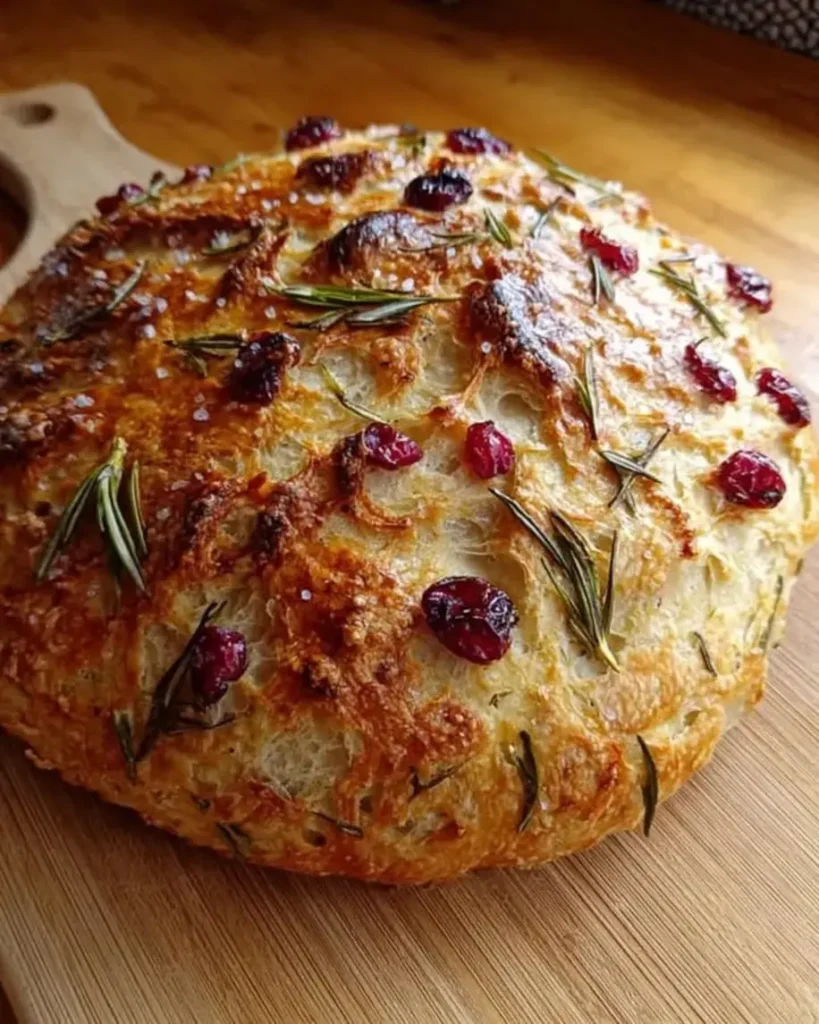
Welcome to the ultimate guide for No-Knead Rosemary Cranberry Bread with Olive Oil & Sea Salt, a effortless masterpiece that transforms simple ingredients into a rustic, flavorful loaf perfect for any home baker. Imagine skipping the intimidation of traditional bread-making with this no-knead method, which lets time do the work while infusing aromatic rosemary and tart cranberries for a burst of taste in every slice. This recipe, straight from Chef Lalyta’s kitchen at lalytarecipes.com, is designed for beginners and pros alike, promising a golden, crispy exterior brushed with olive oil and sprinkled with sea salt that elevates your bread game without the fuss.
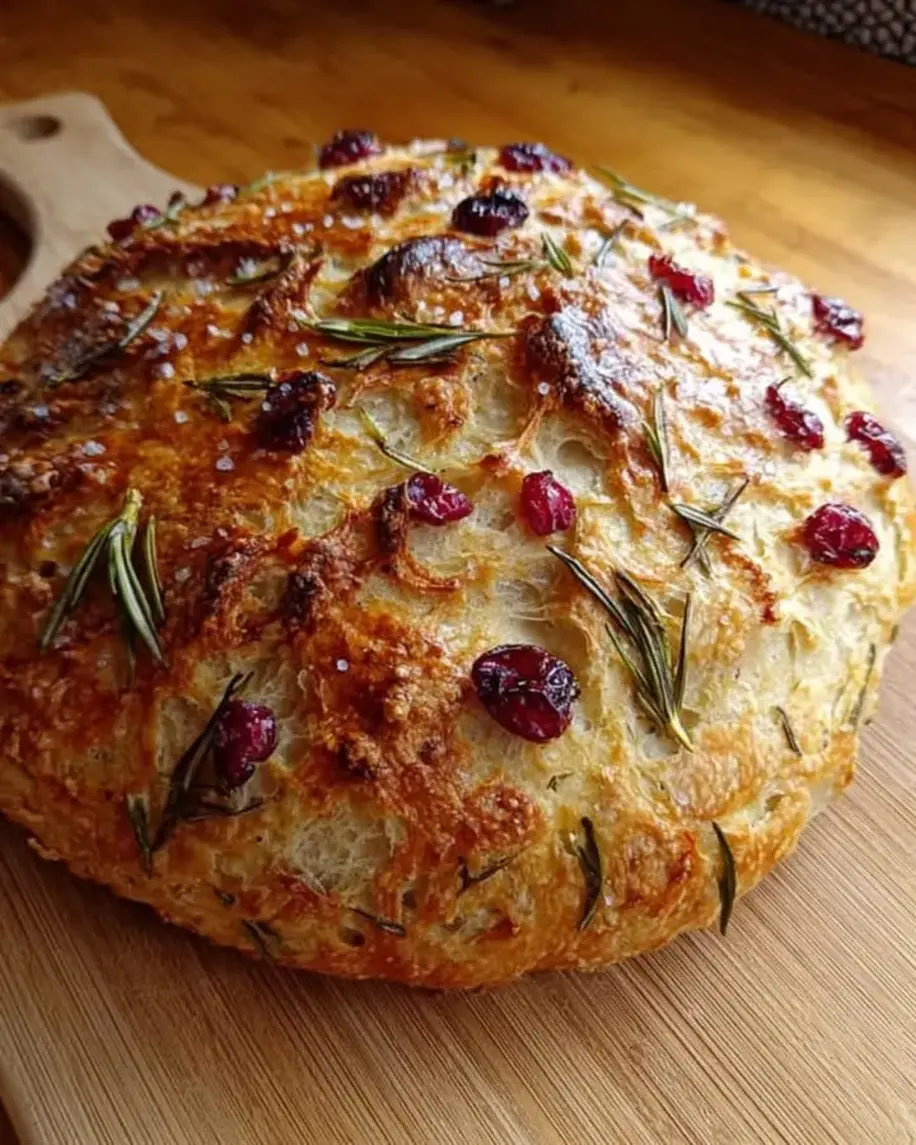
The allure of this No-Knead Rosemary Cranberry Bread with Olive Oil & Sea Salt lies in its sensory symphony: the earthy aroma of fresh rosemary mingling with the sweet-tart pop of dried cranberries, creating a bread that’s both hearty and refreshing. Each bite offers a perfect contrast of a chewy interior and a crunchy, seasoned crust that crinkles under your fingers. The olive oil adds a subtle, rich gloss, while the sea salt enhances the flavors, making it impossible to resist a second slice. You’ll feel like you’ve baked a professional artisan loaf right in your own oven.
What sets this No-Knead Rosemary Cranberry Bread with Olive Oil & Sea Salt recipe apart on lalytarecipes.com is Chef Lalyta’s tested approach, honed through years of perfecting easy yet gourmet breads. This version isn’t just another recipe—it’s your go-to for foolproof results, complete with a Chef’s Secret that makes the dough rise flawlessly for an unbeatable texture. You’ll discover insider tips, substitutions, and serving ideas that build your confidence in the kitchen, turning you into a bread-baking expert with minimal effort. Let’s dive in and make this aromatic no-knead bread your new favorite.
Why This No-Knead Rosemary Cranberry Bread with Olive Oil & Sea Salt Recipe is a Game-Changer
The unique selling proposition of this No-Knead Rosemary Cranberry Bread with Olive Oil & Sea Salt lies in its aromatic herb infusion and effortless finish, which creates an irresistible crust that sets it apart from standard no-knead bread recipes. The Chef’s Secret is the strategic use of fresh rosemary combined with dried cranberries, allowing their flavors to meld during the long rise, resulting in a bread that’s bursting with herbal notes and tangy sweetness. This technique ensures every slice is infused with moisture and depth, making it far superior to plain loaves.
The unbeatable texture comes from the science of the long fermentation process; the instant yeast and warm water create natural gluten development without kneading, leading to a airy, chewy interior with a perfectly crisp exterior. When you brush on the olive oil and sprinkle sea salt post-bake, it locks in moisture and adds a gourmet crunch, enhancing the bread’s overall appeal through a simple chemical reaction that caramelizes the surface for that golden glow.
This recipe is foolproof because it’s been tested multiple times in real home kitchens, guaranteeing success even for novice bakers. With clear instructions and tips, you’ll avoid common pitfalls like under-rising, ensuring consistent results every time you make this no-knead rosemary cranberry bread.
Ingredient Spotlight: Quality Makes the Difference
All-Purpose Flour: This is the foundation of your no-knead rosemary cranberry bread, providing the structure and elasticity needed for a perfect rise. Using high-quality, unbleached all-purpose flour ensures a tender crumb without heaviness, as it has the right protein content for gluten formation. Opt for a reputable brand to avoid additives that could affect texture—substitute with bread flour for a chewier result, but measure carefully to maintain the dough’s consistency.
Salt: In this no-knead rosemary cranberry bread recipe, salt enhances flavor and controls yeast activity, preventing the dough from over-fermenting. Choose fine sea salt for even distribution, as it balances the sweetness of cranberries and the earthiness of rosemary. Quality matters because impure salts can introduce off-flavors; if needed, substitute with kosher salt, but reduce the amount slightly to account for its coarser texture.
Instant Yeast: This ingredient is key to the easy, no-knead method in our rosemary cranberry bread, activating quickly to create those beautiful air pockets. Fresh, high-quality instant yeast ensures a reliable rise, especially during the long fermentation—stale yeast can lead to flat loaves. For substitutions, active dry yeast works, but proof it in warm water first and add an extra 5-10 minutes to the rise time.
Warm Water: Warm water hydrates the dough in this no-knead bread recipe, activating the yeast and helping develop flavors over time. Use filtered water at about 100-110°F for optimal yeast performance, as tap water’s chlorine can inhibit rising. There’s no direct substitute, but if your water is hard, it might affect texture—consider using bottled water for the best results in your rosemary cranberry bread.
Fresh Rosemary: Chopped fresh rosemary infuses this no-knead bread with an aromatic, pine-like flavor that pairs beautifully with the tart cranberries, making it a standout in rosemary cranberry bread variations. Quality fresh herbs ensure vibrant taste; dried rosemary can substitute in a pinch, using one-third the amount, but it won’t deliver the same potent aroma.
Dried Cranberries: These add a sweet-tart burst to the no-knead rosemary cranberry bread, providing moisture and a chewy texture that complements the herbs. Choose unsweetened or low-sugar varieties for balanced flavor; substitute with dried cherries or blueberries for a twist, but adjust sweetness as they may alter the bread’s profile.
Olive Oil: Used for brushing in this no-knead bread recipe, olive oil creates a glossy, flavorful crust that enhances the sea salt’s crunch. Extra-virgin olive oil is best for its rich, fruity notes; substitute with melted butter for a dairy option, but it will change the Mediterranean vibe of your rosemary cranberry bread.
Sea Salt: Sprinkled on top, sea salt finishes this no-knead rosemary cranberry bread with a savory kick, drawing out the herbs and fruits. Coarse sea salt provides the ideal texture; if substituting, use flaky salt, but avoid table salt as it can be too fine and overly salty.
Step-by-Step Instructions
Step 1: Mixing the Dry Ingredients
In a large bowl, combine 3 cups of all-purpose flour, 1 1/2 teaspoons of salt, and 1/2 teaspoon of instant yeast. Stir them together until evenly distributed, ensuring no clumps remain for a uniform dough.
Pro Tip: Measure your flour by weight if possible for accuracy, as packed flour can lead to a denser loaf in this no-knead rosemary cranberry bread recipe.
Step 2: Adding Wet Ingredients and Mix-Ins
Add 1 1/2 cups of warm water, 1 tablespoon of chopped fresh rosemary, and 1 cup of dried cranberries to the dry mixture; stir with a wooden spoon until a sticky dough forms, about 1-2 minutes.
Common Mistake to Avoid: Don’t over-stir the dough, as this can develop gluten prematurely and make the bread tough—stop once everything is just incorporated for the best no-knead texture.
Step 3: First Rise
Cover the bowl with plastic wrap or a damp towel and let the dough rise at room temperature for 12-18 hours, or until it’s doubled in size and bubbly on the surface.
Pro Tip: Place the bowl in a warm, draft-free spot like inside an turned-off oven with the light on to speed up the rise for your no-knead rosemary cranberry bread.
Step 4: Preheating the Oven
Preheat your oven to 450°F (230°C) and place a Dutch oven inside to heat up for at least 30 minutes, ensuring it’s piping hot for the best crust.
Common Mistake to Avoid: Forgetting to preheat the Dutch oven can result in a soggy bottom—always check the temperature with an oven thermometer for optimal baking in this recipe.
Step 5: Shaping the Dough
Transfer the risen dough to a floured surface, gently shape it into a ball by folding the edges under, and let it rest for a few minutes while the oven finishes heating.
Pro Tip: Use a bench scraper to handle the sticky dough without adding extra flour, which could dry out your no-knead rosemary cranberry bread.
Step 6: Baking Covered
Carefully place the shaped dough into the hot Dutch oven, cover with the lid, and bake for 30 minutes to allow steam to create that signature chewy interior.
Common Mistake to Avoid: Opening the oven door too early can cause the bread to deflate—resist the urge and let it bake undisturbed for the full time.
Step 7: Baking Uncovered
Uncover the Dutch oven and bake for an additional 15 minutes until the bread is golden brown and sounds hollow when tapped on the bottom.
Pro Tip: For a deeper color on your no-knead bread, extend the uncovered baking by 2-3 minutes, but watch closely to prevent burning.
Step 8: Finishing and Cooling
Immediately after removing from the oven, brush the bread with olive oil and sprinkle with sea salt, then transfer it to a wire rack to cool completely before slicing.
Common Mistake to Avoid: Cutting the bread while it’s still warm can make it gummy—allow at least 1 hour of cooling for the best texture in your rosemary cranberry bread.
Serving & Presentation
Elevate your No-Knead Rosemary Cranberry Bread with Olive Oil & Sea Salt by slicing it thickly and arranging on a rustic wooden board for a visually appealing presentation. Garnish with extra fresh rosemary sprigs and a light drizzle of olive oil to highlight its aromatic qualities. This bread pairs exceptionally well with creamy cheeses like brie or goat cheese, balancing the tart cranberries, or as a side to hearty soups and stews for a comforting meal.
For a festive touch, serve it toasted with butter and honey, or incorporate it into sandwiches with turkey and arugula for added crunch. The olive oil and sea salt finish makes it versatile for breakfast, lunch, or dinner, impressing guests with its gourmet flavor without much effort.
Make-Ahead & Storage Solutions
Make-Ahead Strategy: Prepare the dough up to 24 hours in advance by following steps 1-3, then refrigerate it after the initial rise. When ready to bake, let it come to room temperature for 30 minutes before proceeding, ensuring your no-knead rosemary cranberry bread stays fresh for up to 3 days of prep.
Storing Leftovers: Store cooled bread in an airtight container at room temperature for up to 2 days, or wrap tightly in plastic and refrigerate for up to 5 days to maintain its moisture. For longer storage, freeze slices in a freezer-safe bag for up to 3 months, preventing staleness in this flavorful loaf.
The Best Way to Reheat: To restore the original texture, reheat slices in a 350°F oven for 5-7 minutes or toast them lightly. Avoid microwaving, as it can make the bread tough—opt for the oven to keep that crispy olive oil and sea salt crust intact.
Frequently Asked Questions (FAQ)
How long does it take to make no-knead rosemary cranberry bread?
This No-Knead Rosemary Cranberry Bread with Olive Oil & Sea Salt requires about 10 minutes of prep time, 45 minutes of cooking, and a 12-18 hour rise, totaling around 13 hours. The hands-off rise is key to its flavor, so plan ahead for the best results in your no-knead bread baking.
Can I substitute rosemary with other herbs in cranberry bread recipes?
Yes, you can substitute fresh rosemary with thyme or sage in this no-knead rosemary cranberry bread recipe for a different herbal twist, using the same 1 tablespoon amount. However, rosemary’s piney flavor complements the cranberries uniquely, so herbs like basil might overpower the tartness—test small batches first.
What are some tips for adding cranberries to no-knead bread dough?
When adding cranberries to no-knead bread dough, ensure they’re plump and evenly distributed to avoid dry spots; in this recipe, stir them in gently during mixing. A tip is to toss them in a little flour beforehand to prevent sinking, enhancing the texture and flavor of your rosemary cranberry bread.
How should I serve no-knead bread with olive oil and sea salt?
Serve this No-Knead Rosemary Cranberry Bread with Olive Oil & Sea Salt warm, sliced alongside cheeses or soups for the best experience. The olive oil and sea salt finish shines when paired with spreads, making it ideal for appetizers or as a standalone treat to highlight its aromatic profile.
What type of flour is best for this no-knead bread recipe?
All-purpose flour is ideal for this no-knead rosemary cranberry bread as it provides the right balance of protein for a good rise, but you can use bread flour for a chewier texture. Avoid whole wheat flour without blending, as it can make the dough heavier—stick to ratios for consistent results.
Can I make this recipe vegan or gluten-free?
Yes, this recipe is naturally vegan. For gluten-free, substitute the all-purpose flour with a 1:1 gluten-free blend, adding 1 teaspoon of xanthan gum to mimic gluten structure. Test the dough’s consistency, as gluten-free versions may need slight adjustments to water for the perfect no-knead bread.
Is there a way to speed up the rising process?
To speed up the rise for this no-knead rosemary cranberry bread, place the covered dough in a warmer environment like a proofing box or near a heat source, but don’t exceed 80°F to avoid over-proofing. This can reduce rise time to 8-12 hours while maintaining flavor.
Tried This Recipe? Leave a Comment!
Did you make this recipe? I’d love to hear how it turned out! Please leave a comment and a rating below. Your feedback helps other home cooks and supports lalytarecipes!
For more delicious inspiration, follow me on Pinterest!

No-Knead Rosemary Cranberry Bread with Olive Oil & Sea Salt
- Total Time: 13 hours
- Yield: 8 1x
Description
A rustic no-knead bread featuring fresh rosemary and dried cranberries, brushed with olive oil and sprinkled with sea salt for a flavorful crust.
Ingredients
- 3 cups all-purpose flour
- 1 1/2 teaspoons salt
- 1/2 teaspoon instant yeast
- 1 1/2 cups warm water
- 1 tablespoon fresh rosemary, chopped
- 1 cup dried cranberries
- Olive oil for brushing
- Sea salt for sprinkling
Instructions
- In a large bowl, mix flour, salt, and yeast.
- Add warm water, rosemary, and cranberries; stir until a sticky dough forms.
- Cover the bowl and let it rise at room temperature for 12-18 hours.
- Preheat oven to 450°F (230°C) and place a Dutch oven inside to heat.
- Transfer dough to a floured surface, shape into a ball, and place in the hot Dutch oven.
- Cover and bake for 30 minutes, then uncover and bake for another 15 minutes until golden.
- Brush with olive oil and sprinkle with sea salt immediately after baking.
- Cool on a wire rack before slicing.
Notes
For best results, use fresh rosemary and ensure the dough rises in a warm, draft-free area. This bread pairs well with cheeses or soups.
- Prep Time: 10 minutes
- Cook Time: 45 minutes
- Method: Bread
- Cuisine: American
Nutrition
- Calories: 220
- Sugar: 8g
- Fat: 4g
- Carbohydrates: 40g
- Protein: 5g
Conclusion
This No-Knead Rosemary Cranberry Bread offers a delightful blend of aromatic rosemary and tangy cranberries, elevated by a touch of olive oil and sea salt for a savory-sweet finish that’s perfect for holiday feasts or everyday meals. Its simple preparation makes it an accessible option for bakers of all levels, allowing you to enjoy fresh, homemade bread without the fuss. For a festive twist, serve it warm with creamy cheese or pair it with other cranberry-inspired dishes like the Extra Creamy Christmas Cranberry Roll Ups for a holiday appetizer. You can also experiment by trying variations such as the Golden Phyllo Stacks with Brie, Cranberry & Pecans to complement your bread with elegant, layered flavors.