

Table of Contents
Sicilian Pesto Recipe Authentic Pesto alla Trapanese in 20 Min: The Only Recipe You’ll Ever Need
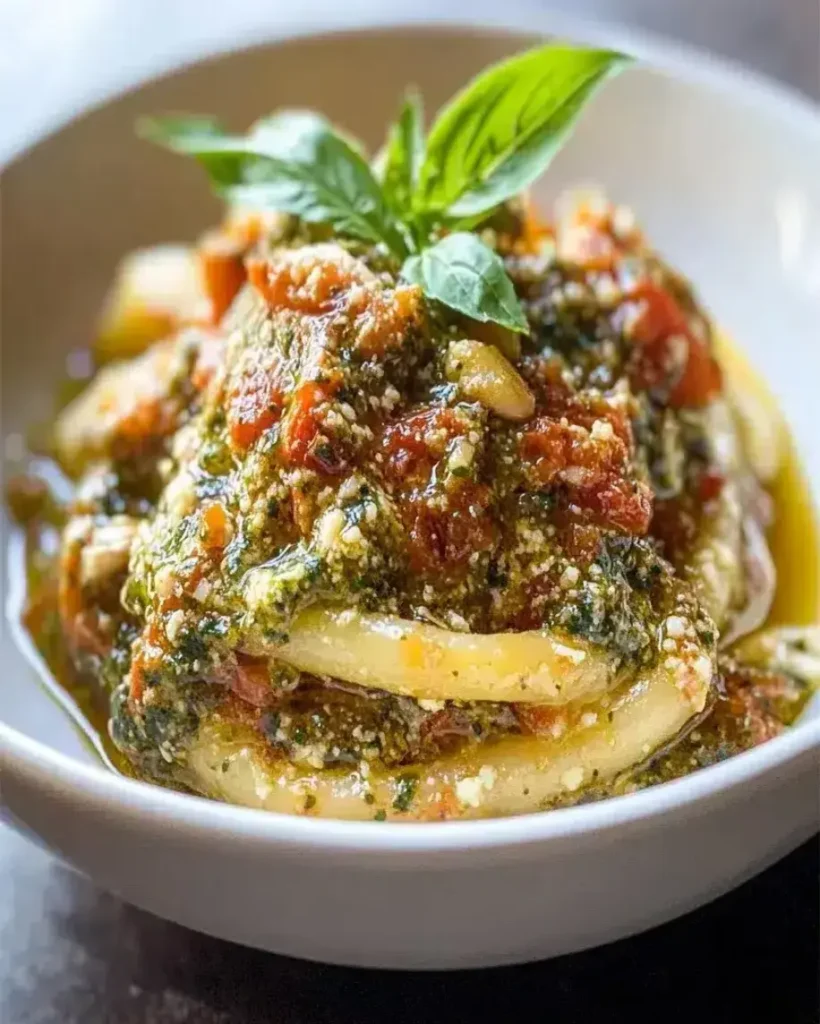
Imagine whisking up a burst of Sicilian sunshine in your kitchen, transforming simple ingredients into a vibrant, authentic Pesto alla Trapanese in just 20 minutes. This Sicilian Pesto Recipe Authentic Pesto alla Trapanese in 20 Min is not just quick; it’s a game-changer for busy home cooks craving genuine Italian flavors without the fuss. Whether you’re dodging a midweek dinner rut or hosting a spontaneous gathering, this recipe delivers the essence of Trapani’s coastal markets right to your table, using fresh tomatoes and almonds for that rapid Sicilian flavor. With minimal prep and foolproof steps, you’ll master this sauce faster than you can boil pasta, making it perfect for elevating everyday meals.
The allure of this Sicilian Pesto Recipe Authentic Pesto alla Trapanese in 20 Min lies in its sensory symphony. Picture the robust, tangy burst from ripe tomatoes mingling with the nutty crunch of toasted almonds, all enveloped in the aromatic embrace of fresh basil and garlic. The texture is a delightful balance – silky smooth yet with a subtle nuttiness that coats your tongue, while the aroma transports you to Sicily’s sun-drenched fields. Each bite offers a fresh, herbaceous zing followed by a rich, olive oil finish, creating a pesto that’s refreshingly light yet deeply satisfying, ideal for pasta, bread, or even as a dip.
What sets this Sicilian Pesto Recipe Authentic Pesto alla Trapanese in 20 Min apart on lalytarecipes.com is our commitment to authenticity and simplicity, drawn from Chef Lalyta’s expertise in Italian cuisine. You’ll discover insider tips, from selecting the perfect tomatoes to achieving that effortless blend, ensuring your version rivals any you’d find in Sicily. We’re not just sharing a recipe; we’re guiding you through a foolproof process that’s been kitchen-tested for consistent results. Stick around for the Chef’s Secret that elevates this pesto to new heights, plus practical advice on substitutions, storage, and pairings to boost your confidence in the kitchen.
Why This Sicilian Pesto Recipe Authentic Pesto alla Trapanese in 20 Min Recipe is a Game-Changer
The Chef’s Secret: The unique angle of this recipe is its rapid Sicilian flavor, achieved through the strategic toasting of almonds, which intensifies their nutty essence and mimics the slow-cooked depth of traditional methods in just minutes. By toasting the almonds first, we unlock oils that blend seamlessly with tomatoes and basil, creating a pesto that’s authentically vibrant without hours of effort. This technique not only enhances flavor but also ensures a velvety consistency that clings perfectly to pasta, making it a standout for quick, high-quality meals.
Unbeatable Texture: The science behind the texture comes from the emulsion formed when olive oil is added slowly during blending. This process stabilizes the mixture, preventing separation and resulting in a smooth, creamy pesto. Fresh tomatoes provide natural pectin that thickens the sauce, while almonds add a slight grit for contrast, elevating the overall mouthfeel compared to standard pestos.
Foolproof for a Reason: This recipe has been tested multiple times in real home kitchens to guarantee success, even for beginners. With precise measurements and step-by-step guidance, you’ll avoid common pitfalls like over-blending, which can turn the pesto bitter, ensuring a reliable outcome every time you prepare Sicilian Pesto Recipe Authentic Pesto alla Trapanese in 20 Min.
Ingredient Spotlight: Quality Makes the Difference
Fresh Tomatoes (500g): These are the heart of Pesto alla Trapanese, providing juicy sweetness and a vibrant red hue that defines the sauce’s fresh, summery profile. Opt for ripe, in-season tomatoes for maximum flavor; their natural acidity balances the richness of nuts and oil. Poor-quality tomatoes can make the pesto watery, so always choose firm, ripe ones. A tested substitution: If fresh tomatoes are unavailable, use high-quality canned San Marzano tomatoes, drained and chopped, to maintain authenticity without compromising taste.
Blanched Almonds (100g): Almonds offer a nutty crunch and creamy base, setting this Sicilian pesto apart from traditional basil-heavy versions. Their mild flavor absorbs and enhances other ingredients, adding depth and a subtle earthiness. Use high-quality, blanched almonds for the best texture; skins can make the pesto gritty. For allergy-friendly options, substitute with sunflower seeds to keep the nutty essence while avoiding tree nuts.
Garlic Cloves (2): Garlic infuses a pungent, aromatic punch that ties the pesto together, but it’s all about balance – too much can overpower the delicate flavors. Fresh cloves ensure a lively taste; aged garlic might be milder but less vibrant. If you’re sensitive to raw garlic, lightly sauté it first for a mellower profile, or substitute with 1 teaspoon of garlic powder in a pinch, though it won’t replicate the fresh zing.
Fresh Basil Leaves (A bunch): Basil brings herbaceous freshness and a hint of peppery spice, essential for that authentic Sicilian vibe. Fresh leaves are key for their volatile oils, which evaporate quickly, so use the best quality available. If basil is scarce, swap with a mix of parsley and mint to preserve the green, aromatic element without losing the recipe’s spirit.
Extra Virgin Olive Oil (100ml): This ingredient acts as the silky binder, carrying flavors and creating a luxurious mouthfeel. Choose a high-quality, cold-pressed oil for its fruity notes and health benefits; inferior oils can make the pesto greasy. A substitution: For a milder taste, use avocado oil, which maintains the emulsion while adding a subtle creaminess.
Salt and Pepper (To taste): These seasonings fine-tune the pesto’s balance, enhancing sweetness from tomatoes and bitterness from basil. Use sea salt for its mineral complexity and freshly ground pepper for a sharp kick. If watching sodium, substitute salt with a pinch of nutritional yeast for a savory umami boost.
Step-by-Step Instructions
Step 1: Preparing the Tomatoes
Start by washing the 500g of fresh tomatoes under cold water to remove any dirt or impurities, then chop them into small, even pieces to ensure they blend smoothly later. This step helps release their juices and flavors efficiently.
Pro Tip: Always use a sharp knife to chop tomatoes to avoid bruising, which can make the pesto watery. Chopping by hand preserves texture better than using a food processor at this stage.
Step 2: Toasting the Almonds
Place the 100g of blanched almonds in a dry pan over medium heat and toast them for about 5 minutes, stirring frequently until they’re golden and fragrant. This step enhances their nutty flavor and prevents the pesto from tasting flat.
Common Mistake to Avoid: Don’t walk away while toasting, as almonds can burn quickly, turning bitter. Keep the heat medium-low and stir constantly to achieve even toasting without scorching.
Step 3: Combining Ingredients in the Food Processor
In a food processor, add the chopped tomatoes, toasted almonds, 2 garlic cloves, and a bunch of fresh basil leaves. Pulse a few times to break down the ingredients into a coarse mixture, ensuring everything is evenly distributed.
Pro Tip: Start with short pulses to maintain some texture in the almonds, which adds a delightful crunch to the final pesto. This prevents over-processing, which can make the sauce too smooth.
Step 4: Blending with Olive Oil
While the food processor is running, slowly pour in the 100ml of extra virgin olive oil through the feed tube until the mixture reaches a smooth, creamy consistency. This gradual addition creates a perfect emulsion.
Common Mistake to Avoid: Adding all the oil at once can cause the mixture to separate, resulting in a greasy pesto. Pour it in a steady stream to ensure a silky blend that coats ingredients evenly.
Step 5: Seasoning the Pesto
Once blended, taste the pesto and season with salt and pepper to your liking, adjusting for balance. Give it a final stir to incorporate everything fully.
Pro Tip: Season at the end to fine-tune flavors based on your ingredients’ freshness. Start with a pinch of salt and build up, as over-salting can overpower the natural sweetness of the tomatoes.
Serving & Presentation
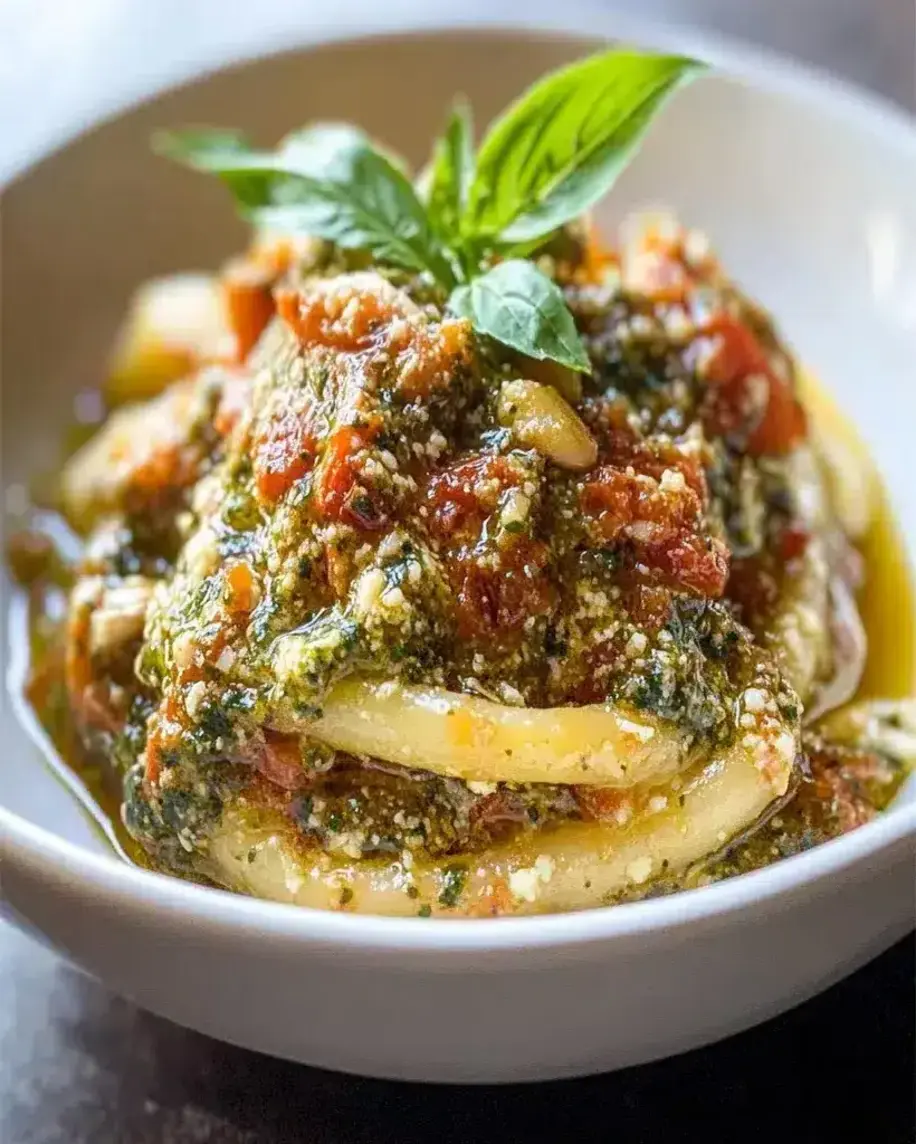
For an impressive presentation, toss this Sicilian Pesto Authentic Pesto alla Trapanese in 20 Min with hot pasta, allowing the sauce to cling beautifully to each strand. Garnish with a sprinkle of fresh basil leaves and a drizzle of extra virgin olive oil for a pop of color and shine. The vibrant red hue from tomatoes makes it visually appealing, perfect for plating on white dishes to highlight the contrast.
To complement the recipe, pair it with grilled fish or crusty bread for a light appetizer, or use it as a base for salads. Its fresh, nutty flavors enhance Mediterranean dishes, like adding a dollop on roasted vegetables or mixing into grain bowls, making it versatile for various courses.
Make-Ahead & Storage Solutions
Make-Ahead Strategy: Prepare the pesto up to 3 days in advance by following the steps up to blending, then store the components separately in airtight containers in the fridge. Chop tomatoes and toast almonds ahead, but add basil and oil just before blending to preserve freshness and vibrant flavors.
Storing Leftovers: Transfer any leftover pesto to an airtight glass jar and refrigerate for up to 5 days, or freeze in ice cube trays for up to 3 months. Always top with a layer of olive oil to prevent oxidation and maintain that fresh taste.
The Best Way to Reheat: To restore the original texture and flavor, let refrigerated pesto come to room temperature for 10 minutes, then stir gently. For frozen portions, thaw in the fridge overnight and refresh with a quick blend; avoid microwaving to prevent separation.
Frequently Asked Questions (FAQ)
What ingredients can I substitute in Pesto alla Trapanese to make it allergy-friendly?
To make Pesto alla Trapanese allergy-friendly, start by swapping blanched almonds with sunflower seeds or pumpkin seeds for a nut-free version, maintaining that creamy texture without tree nut allergens. For garlic sensitivities, reduce the amount or use garlic-infused oil. If tomatoes cause issues, try roasted red peppers for a similar sweet-tangy base. Always taste and adjust seasonings, as substitutions might alter flavor slightly, ensuring the pesto remains delicious and safe for all.
How do you achieve the authentic flavor in a 20-minute Sicilian pesto recipe?
Achieving authentic flavor in this 20-minute Sicilian Pesto Recipe Authentic Pesto alla Trapanese in 20 Min involves using high-quality, ripe Sicilian tomatoes and toasting the almonds to enhance their nutty depth. Fresh basil is key for that herbaceous note, and blending with extra virgin olive oil slowly ensures a balanced emulsion. The secret is in the fresh ingredients and technique, mimicking traditional methods without extended time, resulting in a true taste of Sicily.
Is Pesto alla Trapanese typically served with pasta, and what are some variations?
Yes, Pesto alla Trapanese is traditionally served with pasta, like spaghetti or busiate, where its fresh flavors shine. Variations include using it as a spread on bruschetta, a topping for grilled meats, or mixed into salads. For a twist, add cheese like Pecorino for creaminess or incorporate olives for a briny kick, allowing you to adapt this Sicilian classic to different dishes while keeping its essence intact.
How can I store homemade Sicilian pesto to keep it fresh longer?
To keep homemade Sicilian pesto fresh, store it in an airtight container with a layer of olive oil on top to limit air exposure, refrigerating for up to 5 days. For longer storage, freeze in portions; this prevents oxidation and retains flavor for up to 3 months. Thaw in the refrigerator and stir before use to maintain the authentic taste and texture.
Can I make this recipe vegan or gluten-free?
Absolutely, this Sicilian Pesto Recipe Authentic Pesto alla Trapanese in 20 Min is naturally vegan, as it contains no animal products. For gluten-free assurance, ensure all ingredients like almonds are processed in a gluten-free facility, though the recipe itself has no gluten. No swaps are needed, making it an easy, inclusive option for various dietary needs.
What are the health benefits of Pesto alla Trapanese?
Pesto alla Trapanese is packed with health benefits, including heart-healthy fats from olive oil and almonds, antioxidants from tomatoes and basil, and vitamins from fresh ingredients. It’s low in calories yet nutrient-dense, supporting immune health and providing a tasty way to incorporate more plant-based foods into your diet.
Tried This Recipe? Leave a Comment!
Did you make this recipe? I’d love to hear how it turned out! Please leave a comment and a rating below. Your feedback helps other home cooks and supports lalytarecipes!
For more delicious inspiration, follow me on Pinterest!

Sicilian Pesto Recipe Authentic Pesto alla Trapanese in 20 Min
- Total Time: 20 minutes
- Yield: 4 1x
Description
A fresh Sicilian pesto made with tomatoes, almonds, and basil, ready in just 20 minutes.
Ingredients
- 500g fresh tomatoes
- 100g blanched almonds
- 2 garlic cloves
- A bunch of fresh basil leaves
- 100ml extra virgin olive oil
- Salt and pepper to taste
Instructions
- Wash and chop the tomatoes.
- Toast the almonds in a dry pan for 5 minutes.
- In a food processor, combine tomatoes, toasted almonds, garlic, and basil.
- Blend while slowly adding olive oil until smooth.
- Season with salt and pepper.
Notes
For a authentic flavor, use ripe Sicilian tomatoes. This pesto pairs well with pasta or bread.
- Prep Time: 10 minutes
- Cook Time: 10 minutes
- Method: Sauce
- Cuisine: Sicilian
Nutrition
- Calories: 250
- Sugar: 5g
- Fat: 20g
- Carbohydrates: 12g
- Protein: 6g
Conclusion
This Sicilian Pesto recipe captures the vibrant, sun-kissed flavors of Trapani, blending fresh tomatoes, almonds, and basil for a delightful twist on traditional pesto that’s both rustic and refreshing. Perfect for a quick weeknight meal or a flavorful addition to your summer gatherings, it highlights the essence of authentic Italian cuisine in just 20 minutes. For a serving tip, try tossing it with pasta or spreading it on crusty bread, and consider a variation by adding a sprinkle of grated cheese for extra creaminess.